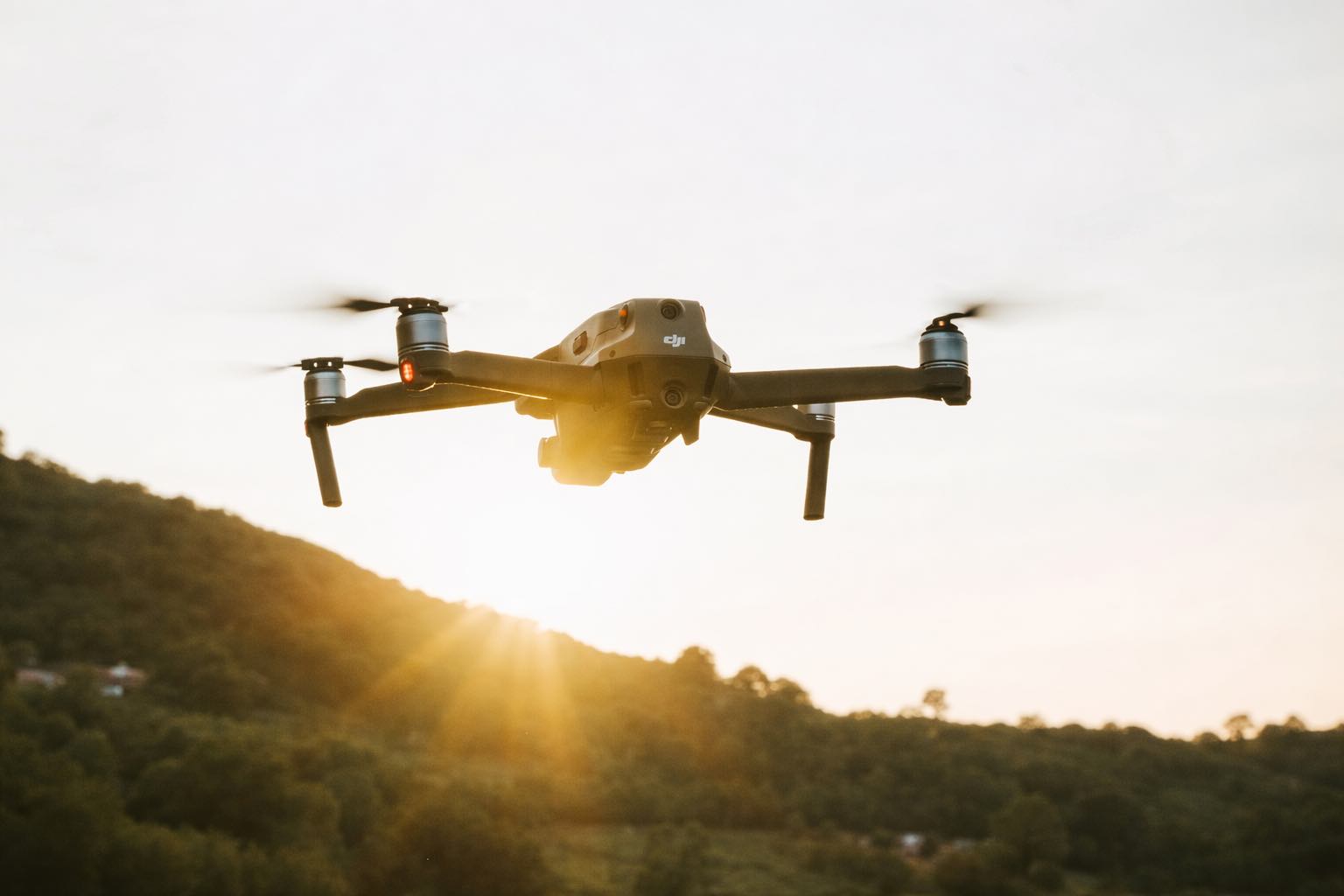
Carnival 2026 brought its usual explosion of colour, creativity, and celebration. But amid the music trucks, costumes, and elaborate performance stages, many fete-goers and masqueraders noticed something new overhead: drones. These unmanned aircraft were out in full force this season, capturing aerial footage for content creators, influencers, event promoters, and even individual spectators hoping to get the perfect shot for social media.
Their presence was impossible to miss. They buzzed overhead at almost every fete, weaved through bands on Carnival Monday and Tuesday, and in at least one widely shared clip, a device became entangled in a masquerader’s hair.
While this incident ended presumably without serious injury, it highlighted a growing concern: the rapid rise of drone use in public spaces without corresponding attention to safety, regulation, or accountability.
Recognising the risks, the Trinidad and Tobago Civil Aviation Authority (TTCAA) issued a Public Advisory, cautioning the public about “unauthorised and unsafe operation of Unmanned Aircraft Systems.” The Authority noted “increased unauthorised drone activity for filming, photography, live streaming, and promotional purposes, particularly in restricted and high‑density areas” across the country. The TTCAA is reminding operators that drones are regulated aircraft, not recreational gadgets, and that careless or unauthorized use poses real risks to both people on the ground and aircraft in the national airspace.
The legal framework governing drones is not new. Under section 28(1) of the Trinidad and Tobago Civil Aviation Regulations No. 19, “it is prohibited to operate a drone in a manner that poses a risk to other aircraft, persons, or property, including operations over large crowds or within congested public spaces.”
The consequences for non‑compliance are significant. Using a drone without the required approval is prohibited, and operating a drone “with the intent to disrupt or endanger civil aviation, persons, or any public or private property” carries a penalty of $350,000 and five years’ imprisonment.
Drones have transformed the way we capture weddings, corporate launches, sporting events, school graduations, religious ceremonies, tourism campaigns, and Carnival itself. They offer perspectives that were once impossible without helicopters or specialized crews. But with that opportunity comes responsibility. For professionals in the creative industry, compliance should be viewed as part of responsible production management. This means confirming that the operator is properly authorised, understanding whether the intended location is restricted or requires special clearance, ensuring that the operation does not take place over large crowds, and maintaining safe operating practices at all times.
Clients and event organisers should also ask questions. Who is operating the drone? Has approval been obtained? Is the operation consistent with the Civil Aviation Regulations? Due diligence is not only a regulatory issue but a risk management consideration.
Creative expression, commercial opportunity, and regulatory compliance are not competing interests. They must operate together. Innovation can elevate our storytelling. But in the skies above us, safety and legality must always come first.
This post was created with the assistance of artificial intelligence (AI) and has been thoroughly reviewed for accuracy and includes original content from the author. While AI can offer general information, it is important not to rely on it for legal advice.