You press the shutter. You compose the frame. You wait for the light. You capture a masquerader mid-flight, a tassa drummer at full tilt, a Divali lamp reflected in a child’s face. And then, three weeks later, you find your image on a tourism billboard, a band’s Instagram page, or a government brochure. No credit. No call. No payment.
If this has happened to you, you are not alone. And you are not without rights.
Your photograph is protected from the moment you take it
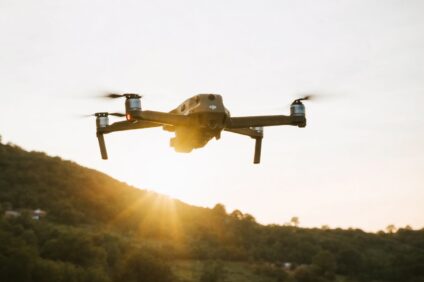
Under the Copyright Act Chap.82:80, a photograph is a protected work. Section 5(1)(i) expressly lists photographic works among the categories of literary and artistic works in which copyright subsists. The definition is broad: the recording of light or other radiation on any medium, irrespective of technique. Digital, film, phone, drone. It does not matter how you captured the image. What matters is that you did.
Copyright arises automatically upon creation. There is no registration requirement in Trinidad and Tobago, and no need to place a copyright notice on your image, although doing so is prudent. From the moment the shutter clicks, you hold a bundle of exclusive rights: the right to reproduce the image, distribute it, display it publicly, communicate it to the public, and to authorise or prohibit others from doing any of those things.
You are the author. You are the first owner. That is the default position under section 26(1) of the Act, unless you took the photograph in the course of employment (in which case your employer may own it) or unless you have assigned your rights in writing.
Credit is not a courtesy. It is a legal right.
The Act also grants you moral rights under section 18. These exist independently of your copyright, and they survive even if you sell or licence your economic rights. You have the right to be identified as the creator of your work. You have the right to object to any distortion, mutilation, or modification of your image that would be prejudicial to your honour or reputation.
These rights cannot be transferred during your lifetime. They can only be waived in writing, with specificity about what is being waived and in what circumstances.
In practical terms, when someone crops your watermark, removes your metadata, and reposts your image without credit, they are not just being discourteous. They are potentially breaching your moral rights under the Act.
“It was taken in public” is not a defence
One of the most persistent misconceptions in the photography community is that an image captured at a public event is free for anyone to use. It is not.
The Act’s exceptions are narrow and specific. Section 9 permits a single private copy for personal use. Section 13 permits short excerpts for the purpose of reporting current events. Section 17 permits the incidental inclusion of an artistic work permanently situated in a public place. None of these provisions authorises a business, a government body, or a mas band to take your festival photograph and use it in a marketing campaign without your permission.
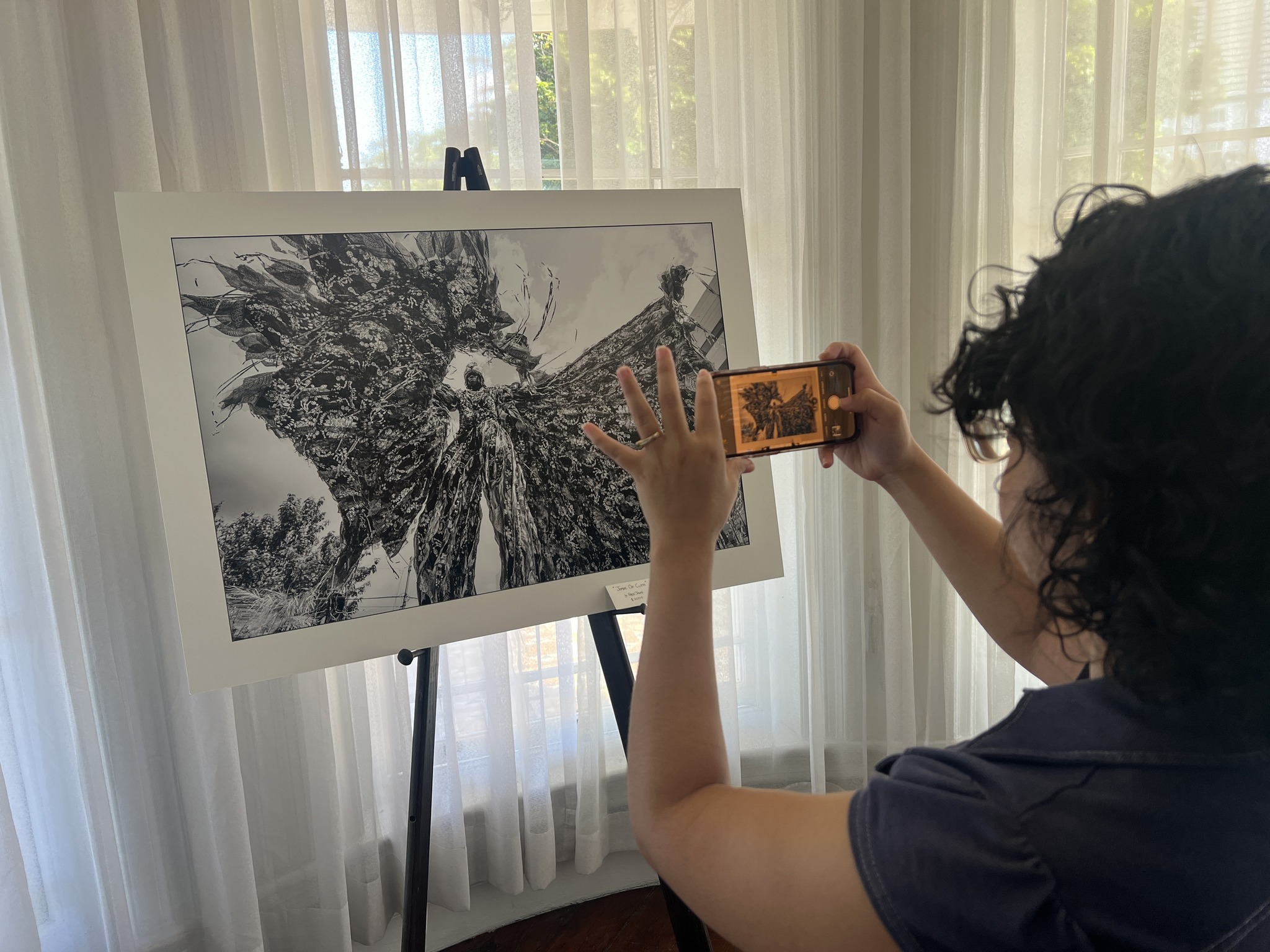
In 2021, the High Court addressed this squarely in Drakes v Grant. A professional photographer’s image of Peter Minshall’s “Dying Swan” costume was taken from Getty Images and used, without permission, to promote a commercial event in Tobago. The defendant argued that the photographer’s NCC accreditation limited his rights to news purposes only. The Court rejected that argument entirely. It held that accreditation is simply permission to enter an event. Copyright is a separate matter. The photographer’s rights arose upon creation of the image, and they were entirely independent of any copyright in the work of mas depicted. The Court ordered damages.
That case confirmed what the Act already provides: your photograph and the costume you photographed carry two separate copyrights, belonging to two different people.
The AI question
The emergence of AI tools raises new concerns for photographers, but the underlying principle remains the same: copyright requires a human creator. The Act defines “author” as a natural person. A machine is not an author. Neither is a monkey, as the US Ninth Circuit confirmed in the well-known Naruto v Slater case, where a crested macaque who pressed the shutter button on a wildlife photographer’s camera was held incapable of owning copyright.
If a monkey who physically pressed the button cannot be an author, a machine that generates an image from a text prompt cannot be one either. The US Supreme Court effectively confirmed this in March 2026 by declining to hear Thaler v Perlmutter.
But AI as a tool in a human creative process is different. If you use AI software to adjust colour, enhance lighting, or composite elements in a photograph you took, you are still the author. The creative decisions are yours. The AI is the instrument, not the creator.
Where photographers should be concerned is when their existing images are fed into AI systems without permission, whether for training data or for manipulation. Uploading and processing your image engages your reproduction right. Altering it engages your adaptation right. Stripping metadata in the process is a separate infringement under section 34B of the Act. The AI tool does not create an exception.
What you can do
Protect yourself before, during, and after the shoot. Clarify the terms of any engagement in writing before you begin. Embed metadata and copyright notices in your digital files. Retain your originals and RAW files. Watermark your published images. Monitor usage through reverse image searches. When you licence your work, use a written agreement that specifies the exact rights granted, the territory, the duration, and the permitted uses. Section 28(4) of the Act provides that an assignment or licence does not include rights not explicitly referred to. What you do not grant, you keep.
And if your rights are infringed, know that the remedies under the Act are substantial. The Court may grant injunctions, order the impounding or destruction of infringing copies, award damages including legal costs, and order an account of the infringer’s profits. Criminal sanctions carry fines of up to $250,000 and imprisonment of up to ten years.
The gap between law and ethics
The law provides a framework. But it does not answer every question, and photographers themselves are often the first to acknowledge this.
Take the question of photographing people at public events. Trinidad and Tobago has no dedicated right of publicity legislation. If you photograph someone on the road at Carnival or at a public festival, the subject has no general legal claim over the image. The copyright belongs to you, the photographer. But experienced photographers will tell you that is an easy way to damage your reputation. If you intend to use an image commercially, the professional standard is to obtain a clearance or release from the subject, even though the law may not strictly require it. The relationship between photographer and subject is built on trust, and disregarding that trust has consequences that no court judgment can repair.
Wedding photography raises similar tensions. The photographer owns the copyright in the images. That is the legal position. But the couple getting married rarely see it that way, and understandably so. These are deeply personal moments. Contracts are frequently absent; the arrangement is verbal, informal, built on goodwill. Nobody expects their wedding photographs to appear in an advertising campaign. The law may permit certain uses, but the industry recognises that professional ethics and integrity demand restraint. A written agreement, setting out what the photographer may and may not do with the images, protects everyone and avoids the kind of dispute that damages both the client relationship and the photographer’s standing.
The broader point is this: what the law permits and what professional practice demands are not always the same thing. The photographers I have spoken with understand this instinctively. The law gives you rights. How you exercise them defines your reputation.
Know your rights. Protect your work. And insist on credit, not as a favour, but as the law provides.
The featured image used in this post was taken from the social media pages of the Academy of Arts, Letters, Culture and Public Affairs – University of Trinidad and Tobago and the Photographer’s Guild of Trinidad and Tobago in respect of the “States of Celebration” photography exhibition. The author participated in a panel discussion on “Framing Ownership: Copyright, Credit, and the Festival Image” on Saturday April 18, 2026 at the Mille Fleurs Heritage House, Port of Spain, as part of the exhibition
This post was created with the assistance of artificial intelligence (AI) and has been thoroughly reviewed for accuracy and includes original content from th